When AI Meets Non-Technical Founders: Lessons from a Lovable MVP

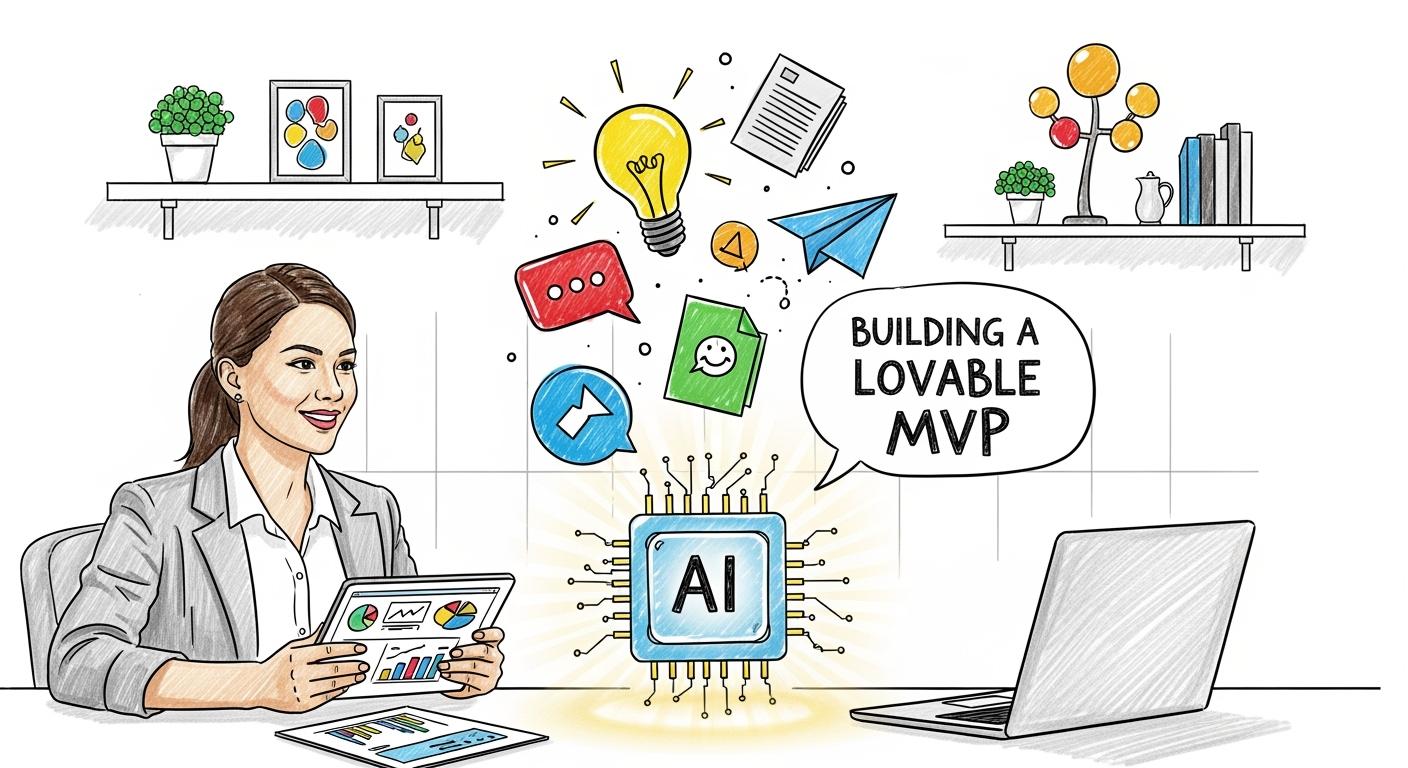
Picture this: You’re a non-technical founder with a big idea. You open Lovable, chat and build apps. Suddenly, you have a working MVP in weeks, not months. You show it to a client and watch their eyes light up. It feels almost magical—
Traditional builds take 6–12 months
But is it really that easy? You move fast, but sometimes you miss what’s under the hood. AI lets you build quickly, but real apps need more than speed.
Key Takeaways
AI tools like Lovable and Vibe Architect help founders make MVPs fast. You can build in days, not months. This speed lets you test ideas quickly. You can get feedback sooner.
Build a simple MVP that solves one problem. A clear goal helps you get better results. You learn faster this way.
Talk to your audience early. Share what you are working on. Building in public gives you good feedback. It also helps you stay on track.
Always choose quality over speed. Check your AI-made code before you launch. Look for security and performance problems.
Use AI tools with help from experts. Technical experts can guide you through hard parts. They make sure your product can grow.
AI tools like Lovable and Vibe Architect help founders make MVPs fast.
Can Non-Technical Founders Ship MVPs with AI?

Fast Validation and Prototyping
You have an idea and want to see if it works. In the past, you might have spent months just to get a simple prototype. Now, with AI-powered platforms like Lovable, Vibe Architect, and Momen, you can move from idea to MVP in a matter of weeks—or even days. These tools help you skip the hardest part: getting started.
Here’s how the process looks when you use AI:
Stage | Without AI | With AI |
|---|---|---|
Ideation | Weeks of manual research | AI scans trends, generates ideas in hours |
Prototyping | 2–3 weeks for UI/UX mockups | Tools like Uizard create wireframes in a day |
Validation | Manual surveys + interviews | AI heatmaps + sentiment analysis in real-time |
Iteration | Human-led tweaks post-feedback | AI suggests feature improvements based on data |
You can see the difference. AI tools let you test your ideas quickly. You can build, show, and get feedback before you spend a lot of money. Lovable’s visual editor and hot-reloading features make it easy to change your app on the fly. Users have shared stories about building full-stack web apps from simple prompts and making changes in minutes, not days.
Some of the most popular AI MVP tools include:
Lovable, Vibe Architect, and Momen for fast app generation
No-code platforms like Bubble and Adalo
Specialized tools such as OpenAI API and Voiceflow
These platforms help you answer big questions fast: Does your idea solve a real problem? Will people use it? You don’t need to write code. You just need to describe what you want.
Tip: Focus on building only what you need to test your idea. The simpler your MVP, the faster you can learn.
Main Lessons from Real Stories
You might think, “If I can build this fast, what could go wrong?” Real stories from non-technical founders show both the magic and the mess.
Here are some key lessons:
Focus Solves Everything
When you keep your project small, you get better results. For example, Biobuild.io only made professional bios. That focus helped them succeed.AI Helps You Think, Not Just Build
AI is more than a tool. It helps you shape your idea. You can ask questions, get feedback, and see new options you might not have considered.Building in Public Builds Accountability
Sharing your progress online brings feedback and keeps you honest. You get advice, support, and sometimes even your first users.Building Fast Doesn’t Mean Skipping Quality
Speed is great, but you still need to care about what you build. Take time to check your work and fix mistakes before showing it to others.
But there are challenges, too. Many non-technical founders run into problems like:
Not knowing enough about technology to spot hidden risks
Struggling to find the right tech team when it’s time to grow
Facing doubts from investors who want technical co-founders
Dealing with scope creep—when your project grows bigger than planned
Managing a tight budget and feeling stressed about costs
You also need to watch out for risks that come with AI-generated code. Here’s a quick look:
Risk Type | Description |
|---|---|
Security Vulnerabilities | AI tools might expose sensitive data if you don’t check the code. |
Intellectual Property | Some code could break licenses or patents. |
Code Quality Issues | AI can write messy or hard-to-maintain code. |
Integration Risks | Your app might not work well with other systems. |
Compliance Issues | You could miss important rules or standards. |
Performance Issues | AI might make your app slow or waste resources. |
Testing Challenges | You need to test more to make sure everything works. |
Deployment Risks | Things can break when you launch if you don’t review the code. |
Versioning Challenges | Tracking changes gets tricky with lots of AI-generated code. |
Resource Management Issues | Your app might use more memory or power than needed. |
Note: AI can help you move fast, but you still need to understand what you’re building. If you don’t, you risk losing time, money, and trust.
In the end, AI tools give you superpowers, but you need to use them wisely. Build fast, test often, and always ask for help when you reach your limits. That’s how you turn a quick MVP into a real business.
Lovable and AI: Strengths for Non-Technical Founders
Rapid App Creation
Imagine you have an idea for a new app. You want to test it fast. Lovable, Vibe Architect, and Momen let you build a working MVP in days. You don’t need to know how to code. You just describe your vision, and the platform turns it into a real product. You can set up the backend, add features, and even debug problems with AI chat. You see your app come to life almost instantly.
Here’s a quick look at what these tools offer:
Feature | Description |
|---|---|
Full-Stack Prototypes | Build apps that look and feel real |
Fast Iteration | Make changes and test new ideas quickly |
Quick Backend Setup | Get databases and APIs running in minutes |
Real-Time Debugging | Solve problems with AI-powered chat |
You get to focus on your idea, not the technical details. This speed means you can show your MVP to users, gather feedback, and improve your product before spending a lot of money.
Non-technical founders often worry about what’s happening behind the scenes. You can drag and drop components in Lovable and see the frontend come alive in minutes—but what about the backend? Where does your data go, how do APIs connect, or how does your app handle logic at scale? That’s where tools like Vibe Architect come in.
Vibe Architect lets you visually design and control the backend without writing a single line of code. You can define database structures, automate workflows, and manage user interactions—all in a clear, visual interface. For a founder who’s never touched a server or database, it feels almost magical: suddenly, the complex technical parts are in your control. You can focus on the idea, test flows, and make sure your MVP isn’t just functional—it’s robust enough to actually show to real users.
By pairing Lovable for the frontend and Vibe Architect for backend logic, you get a full-stack approach that’s still accessible to non-technical builders. This combination ensures that speed doesn’t come at the cost of reliability. You’re not just creating a pretty interface—you’re building an app that can actually handle data, scale workflows, and respond to real user actions.
Lowering Technical Barriers
You might worry about not having a technical background. Lovable and similar AI platforms break down those barriers. You use drag-and-drop tools and simple prompts. You don’t need to learn programming. You can create landing pages, registration portals, or feedback forms with just a few clicks.
Automates repetitive tasks
Simplifies coding for non-technical users
Fosters teamwork and collaboration
The cost is much lower than hiring a full team. Many founders report saving up to 80% on development costs. You can validate your idea without risking your budget.
Real-World Use Cases
Let’s look at a real story. The One Love Foundation used Lovable to build a fundraising website. They raised $150,000 and gained over 200 monthly donors. Their MVP helped them reach their goals and grow their community. You see similar results with SaaS platforms and marketplaces. Lovable guides you step by step, acting like a product manager and developer rolled into one.
Getting your product in front of users early helps you learn what works. You get feedback that shapes your next steps.
These tools give non-technical founders the power to create, test, and launch ideas with confidence. You don’t need to wait months or spend thousands. You just start building.
Pitfalls and Limits for Non-Technical MVPs
Security and Infrastructure Risks
You might feel excited when your MVP works after just a few prompts. But there are risks hiding behind the scenes. If you don’t understand the code, you can miss big problems. Hackers look for weak spots. Data breaches happen when you use unsecured training data or let AI scrape sensitive information. Sometimes, attackers use tricks like model inversion or LLMjacking to steal resources or data. Adversarial attacks can make your app behave in strange ways. Data poisoning can mess up your AI’s learning. Social engineering and misinformation are easier when your app isn’t locked down.
If you launch without checking for these risks, you could lose money, face fines, or damage your reputation. The biggest danger comes from the ‘comprehension gap’—when you ship code you don’t fully understand.
Scaling and Maintenance Challenges
Your MVP might work for a few users, but what happens when you get hundreds or thousands? Many founders run into trouble here. AI-generated code often has more security holes than code written by experienced developers. Fixing these bugs takes longer if you don’t know how the code works. You might find yourself stuck, unable to grow your product. Sometimes, you need to rewrite everything instead of making small changes. Poor architecture can cause your app to crash or slow down when more people use it. Quick shortcuts can pile up technical debt, making future updates harder.
You may depend on AI-generated code and struggle when issues pop up.
Security flaws can be tough to fix without technical skills.
Scaling often means starting over, which costs more.
Your app may fail under heavy use because of weak design.
The Cost of Refactoring
Let’s talk about what happens when you try to turn your MVP into a real product. If you built everything with prompts and don’t understand the code, you’ll need experts to step in. They might tell you it’s easier to rebuild from scratch. Refactoring can take hundreds of hours and cost as much as building a new app. You risk losing time, money, and trust with your clients. Investors and partners may worry about your credibility if your product isn’t ready for production.
AI-generated MVPs are great for testing ideas, but they aren’t ready for launch without expert review. Always get a technical check before you scale or ship.
Roadmap: From MVP to Production
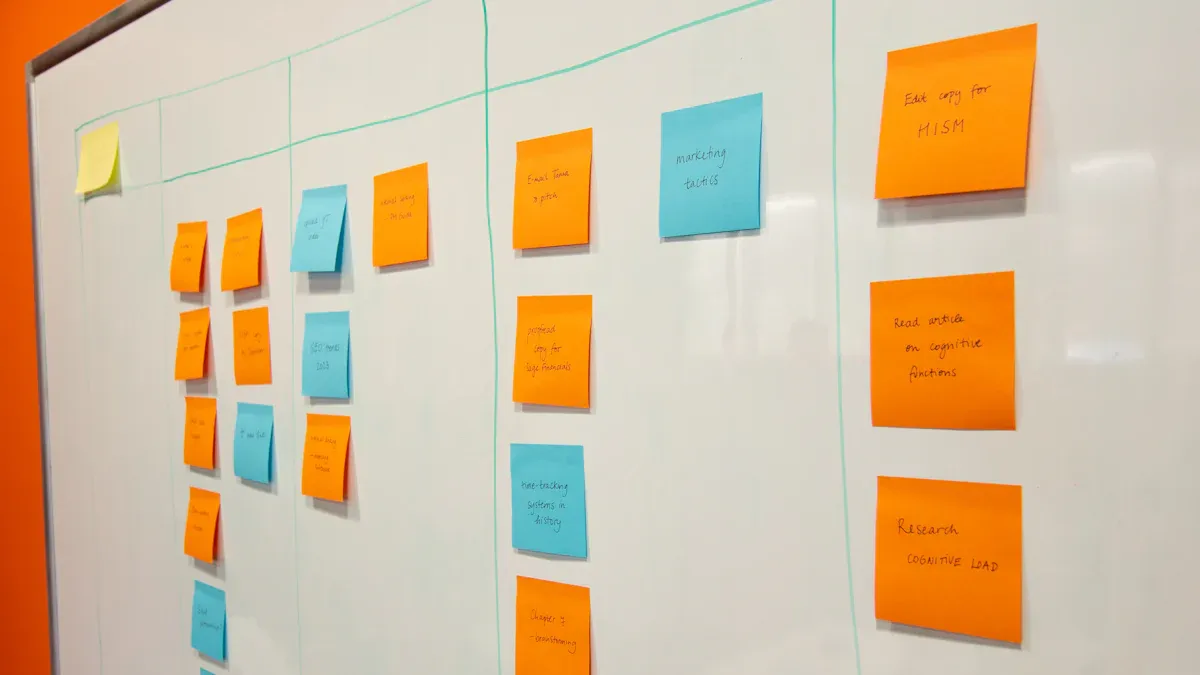
You made your MVP with Lovable, Vibe Architect, or Momen. What comes next? Turning your prototype into a real product needs a plan. You need more than just new features. Planning helps you move forward with confidence.
Code Review and Deployment
Check your code before launching your app. Even if AI wrote it, you should know what is inside. Ask a developer to look for security problems and performance issues. Make sure your app has tests and clear rules. Use Figma for design. Build with Lovable or Bubble. Deploy with Webflow. Start with simple steps. Add more features later. Always check your code before going live.
Tip: Pick an AI code review tool that works for you. Set up hooks and review rules to catch problems early.
Authentication and Data Security
Keep your users’ data safe. Set up strong authentication. Use encryption for important information. Check privacy policies for any AI services you use. Follow rules like GDPR or HIPAA if needed. Add controls so only the right people see private data. Always think about privacy and security from the beginning.
Audit for bias and fairness.
Put user privacy and intellectual property first.
Payment and Database Optimization
Make payments and data handling smooth and efficient. Watch how your database works. Track storage and resource use. Delete old data to save money. Guess busy times so you can scale up or down. Set alerts for strange costs. Look at AI tips for improvements and check the results.
Strategy | Description |
|---|---|
Query Performance Monitoring | Find slow queries and fix them to save resources. |
Storage Usage Tracking | Watch data growth and adjust storage as needed. |
Scaling Adjustments | Change server size to match demand and control costs. |
Involving Technical Experts
You do not have to work alone. Bring in technical experts early. They help you set goals and pick the right tools. Experts plan for growth and spot problems before they get big. They guide you through security, scaling, and maintenance. Working together gives your product a better chance to succeed.
Remember: Start small, get feedback, and improve your product before you grow. A strong technical base now saves you time and money later.
Practical Tips for Non-Technical Founders
Avoiding Common Mistakes
You want to build something great, but it’s easy to trip up along the way. Many founders rush in and forget the basics. Here are some common mistakes and how you can dodge them:
Jumping in Without Research
Always talk to your future users first. Ask them about their problems. Check out what your competitors do. This helps you know if your idea is worth building.Skipping the Plan
Use a simple tool like the Business Model Canvas. It helps you see your idea from every angle. You can spot gaps before you start building.Not Mapping the Process
Draw out how things work now and how your product will make life better. This makes it easier to pick the right features for your MVP.Ignoring Feedback
Show your MVP to real users early. Listen to what they say. Change your product based on their feedback.Underestimating Time and Cost
Building with AI tools like Lovable, Vibe Architect, or Momen saves time, but surprises can pop up. Set a budget and timeline with some wiggle room.
Tip: Learn a little about AI and tech basics. It helps you make smarter choices and talk with your team.
Combining AI with Expertise
AI tools can take you far, but you still need people who know their stuff. Use no-code platforms to get started, but bring in experts when things get tricky. Regular check-ins with developers or advisors help you spot problems early. Good teamwork keeps your project on track.
Use collaboration tools to stay in sync.
Ask for code reviews before you launch.
Don’t be afraid to ask questions if you’re unsure.
Learning from Agencies and Success Stories
Agencies and successful founders share some smart moves:
Interview users and watch how they work. This helps you find real pain points.
Build a simple version that solves one big problem. Don’t try to do everything at once.
Test how you’ll make money early. See if people will pay for your solution.
Focus on trust and a smooth user experience, especially if your app handles sensitive info.
Remember, the best products solve real problems, not just show off cool AI.
Real founders who listen, learn, and adapt turn their MVPs into lasting businesses.
You’ve seen how AI and Lovable help non-technical founders move fast. You can build MVPs, test ideas, and learn quickly. Before you launch, bring in technical experts. Here’s what you can do next:
Learn the basics of app building.
Validate your idea with a simple MVP.
Build a strong support network.
Your vision matters. Combine it with AI and expert help. You’ll set yourself up for real growth.
FAQ
How fast can you build an MVP with AI tools?
You can build a simple MVP in days. Platforms like Lovable, Vibe Architect, and Momen help you move from idea to working app quickly. You test your concept before spending lots of money.
Do you need coding skills to use these platforms?
No, you don’t need to know how to code. You use drag-and-drop editors and prompts. The tools handle the technical parts for you. You focus on your idea and user experience.
What risks should you watch out for?
You should check for security issues, data privacy, and code quality. AI-generated apps can have hidden problems. Always ask an expert to review your MVP before you launch.
Can you scale your MVP after validation?
You can scale, but you may need to rebuild parts of your app. AI tools help you validate ideas fast. For growth, you need a solid technical foundation and expert support.
How do you get feedback from real users?
Share your MVP with friends, early customers, or online communities. Ask for honest opinions. Use surveys, interviews, or feedback forms. Early feedback helps you improve your product.
See Also
Unlocking Success: Essential Steps to Develop an AI App
Embracing AI in Development: Collaboration Over Replacement
Creating a Winning Startup Team: Essential Insights for Founders
Public Development: A Founder's Strategy for Growth and Engagement
Seven Essential No-Code Tools for Founders Without Technical Skills