How to Start a Small Business at Home in 2025


You can start a business from home in 2025 with just a few simple steps. First, pick an idea that matches your skills. Next, create a business plan and do a little market research. Set up your legal paperwork and design a workspace that helps you focus. Many home business owners use modern tools like Momen to launch websites or apps without coding. The best part? You enjoy low overhead costs, more flexibility, and a better work-life balance.
Around 40 million home businesses in the U.S. generate $500 billion a year.
Most need less than $5,000 to start and stay profitable longer than traditional businesses.
Remote work and digital tools make it easier than ever to start a small business at home.
Key Takeaways
Pick a home business idea that matches your skills and budget. Make sure it follows local rules. This helps you have a better chance to succeed.
Make a simple business plan with clear goals. Do some market research. Add money plans to help you grow and stay focused.
Set up your business the right way by choosing the best structure. Register your business with your state. Get all needed permits and insurance.
Make a comfy workspace at home with good tools. Use no-code platforms to make your online presence easy.
Use social media and personal marketing to find clients. Keep your clients happy. Balance work and life to stay motivated and get more done.
Home Business Ideas

Service-Based Home Business
You can use your skills to start a service-based home business. Many people work from home doing pet-sitting, content writing, web design, or consulting. Some people cook meals for delivery in cloud kitchens. These businesses usually cost less to start. You can work with people nearby or online.
Here’s how these businesses do over time:
Time Period | Failure Rate (%) | Survival Rate (%) |
|---|---|---|
1 Year | 82.5 | |
5 Years | 43.1 | 56.9 |
10 Years | 60.4 | 39.6 |
Most service-based home businesses last through the first year. If you offer a service people want, you can earn steady money and grow your business at home.
Online Home Business Models
There are many online home business ideas you can try. E-commerce stores, dropshipping, and subscription boxes let you sell things without a shop. You can teach online, make courses, or do graphic design and bookkeeping. Many people pick web development or design because every business needs a website.
Online home businesses watch important numbers to stay successful. Some key metrics are:
Conversion rate (how many visitors buy or sign up)
Return on investment (ROI)
Customer retention rate
Customer acquisition cost (CAC)
Customer lifetime value (CLV)
Average order value (AOV)
These numbers show what is working and what needs fixing. Many online home business owners start small and grow bigger over time.
How to Choose a Home Business
When picking a home business idea, think about your skills, what people want, and how much money you need. Many people choose a home business to save money, have more freedom, or care for family. You should also check if you can run your idea from home and look at local rules. Some cities now have new laws that make starting a home business easier.
Here’s a quick look at startup costs and possible income for popular home-based business ideas:
Home Business Idea | Startup Cost Range | Potential Income Range |
|---|---|---|
Personal Chef Services | $30,000 – $80,000 per year | |
IT Support Services | $1,000 – $5,000 | $30,000 – $80,000 per year |
Photography Business | $5,000 – $20,000 | $30,000 – $150,000 per year |
Online Clothing Store | Varies | Varies |
Many people do well by picking a home business with low costs and high demand. If you want a home business that fits your life, look at your skills, check the market, and make sure you can run it from home.
How to Start a Small Business: Planning Steps
Business Plan Basics
You need a solid business plan before you start a small business at home. A business plan acts like a map. It shows you where you want to go and how to get there. When you create a business plan, you set clear goals, list your products or services, and plan your finances. You also think about your target customers and how you will reach them.
A good business plan helps you grow faster and survive longer. Take a look at these numbers:
Statistic Description | Percentage / Figure |
|---|---|
Businesses with plans expand more quickly | |
Companies surviving 5 years due to comprehensive strategy | 70% |
Likelihood of rapid development with a business plan | 7% higher |
Sales growth potential with documented strategy | 30% increase |
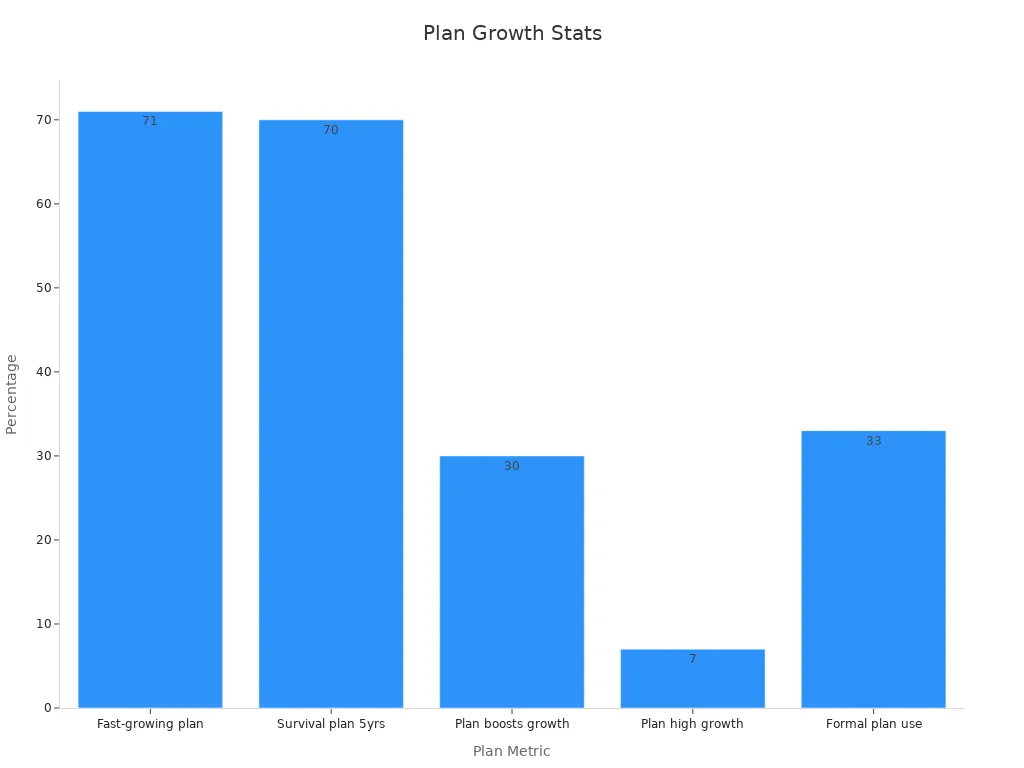
You can see that businesses with a written plan grow 30% faster. About 70% of companies that last five years have a strong plan. If you want to start a business and keep it running, a business plan is your best friend.
When you create a business plan, you should include financial planning. Here is a step-by-step guide for your finances:
Set your business goals and list what you need, like equipment or cash.
Make financial projections. Use sales forecasts and guess your expenses. Try best-case, worst-case, and most likely scenarios.
Plan for surprises. Keep some cash saved or set up a line of credit.
Check your progress. Compare your real numbers to your plan and adjust as needed.
You can also use these tools in your business plan:
Income statement (shows profit or loss)
Balance sheet (lists assets and debts)
Cash flow statement (tracks money in and out)
Sales forecast (predicts how much you will sell)
Personnel plan (shows if you need help and what it costs)
Many people use online templates and resources to create a business plan. These tools make it easy to fill in your details and update your plan as your business grows.
Tip: Update your business plan every few months. This helps you stay on track and spot problems early.
Market Research
Market research helps you understand your customers and your competition. You need to know who will buy your product or service and what they want. This step is key when starting a small business. If you skip market research, you might miss what people really need.
You can use resources like Glocalities and The Freedonia Group to learn about your target audience. These groups offer reports and surveys that show details like age, gender, income, and where people live. For example, The Freedonia Group found that 66% of workers now work from home at least part of the time. This means more people might want your home-based services.
Here’s how you can do market research:
Look at government census data for your area.
Use social media analytics to see what people talk about.
Read industry reports to spot trends.
Ask friends or family what they would buy.
Check out your competition online.
When you finish your market research, you will have a better understanding of the market. You will know who your customers are, what they want, and how much they might pay.
Note: Market research is not just for big companies. Even small home businesses need to know their audience.
Setting Goals and Niche
You need to set clear goals for your business. Goals help you stay focused and measure your progress. Start with simple goals, like how many customers you want in your first month or how much money you want to make.
Next, pick your niche. A niche is a small part of the market where you can stand out. For example, instead of selling all kinds of baked goods, you might focus on gluten-free cookies. When you choose a niche, you can become an expert and attract loyal customers.
Here are some steps to help you set goals and find your niche:
Write down what you want to achieve in the next year.
List your skills and what makes you different.
Look for gaps in the market that you can fill.
Test your ideas with a few customers before you go big.
You can use online resources and templates to help set your goals and define your niche. Many websites offer free worksheets and planning tools. These resources make it easier to organize your ideas and track your progress.
Tip: Review your goals every month. Change them if you need to. This keeps your business moving forward.
Starting a Small Business: Legal and Financial Setup
Business Structure and Registration
When you start a business at home, you must pick a business structure. This choice changes your taxes, paperwork, and risk. Many people pick a sole proprietorship. It is simple and gives you control. But it does not protect your personal things if problems happen. LLCs are now more popular for home businesses. They keep your personal things safe from business debts or lawsuits. LLCs also let you choose how to pay taxes and run your business.
Here’s a quick look at the trends:
Business Structure | Growth Rate | Key Trend Highlights |
|---|---|---|
LLCs | Fastest growth, strong protection, flexible taxes | |
S Corporations | 6.8% | Steady growth, less flexible than LLCs |
Sole Proprietorship | Easy to start, higher risk, common for home use |
To register your business, you file papers with your state. You also get an Employer Identification Number (EIN) for taxes. This step makes your business official. It helps you open a bank account.
Permits, Licenses, and Insurance
You need the right permits and licenses to run your home business. The rules depend on your job and where you live. Here’s what you might need:
General business license from your city or county
Professional license for jobs like daycare or hairstyling
Health and safety permits if clients visit your home
Sign permit if you want a business sign outside
Sales tax license if you sell goods or services
Zoning permits to make sure your business fits local rules
HOA approval if you live in a community with special rules
Some businesses need federal or state licenses. This is true if you sell food or special products. Do not forget about insurance. Business insurance protects you if something bad happens. This could be an accident or a lawsuit. Keeping up with permits and insurance keeps your business safe and trusted.
Tip: Always check your local government website for the latest rules before starting a small business.
Managing Finances
Managing your money well keeps your business strong. Most people use their own money to start. Some keep another job or borrow from friends or banks. You should track every dollar you earn and spend. Make a budget and set limits so you do not run out of cash. Many home business owners use accounting software to help.
Here’s a table with common financial challenges and tips:
Description | Management Tips | |
|---|---|---|
Cash Flow Problems | Money comes in at odd times | Send invoices fast, offer early payment deals |
Budgeting Issues | Hard to plan for surprise expenses | Make a budget, update it often |
Tax Compliance | Confusing rules and deadlines | Learn tax rules, file on time, get expert help |
Collecting Payments | Customers pay late | Remind customers, make paying easy |
Do not forget about home office tax deductions. If you use part of your home just for work, you can save money on taxes. Good records help you claim these deductions and avoid trouble with the IRS.
Start a Business from Home: Workspace and Tools
Home Office Setup
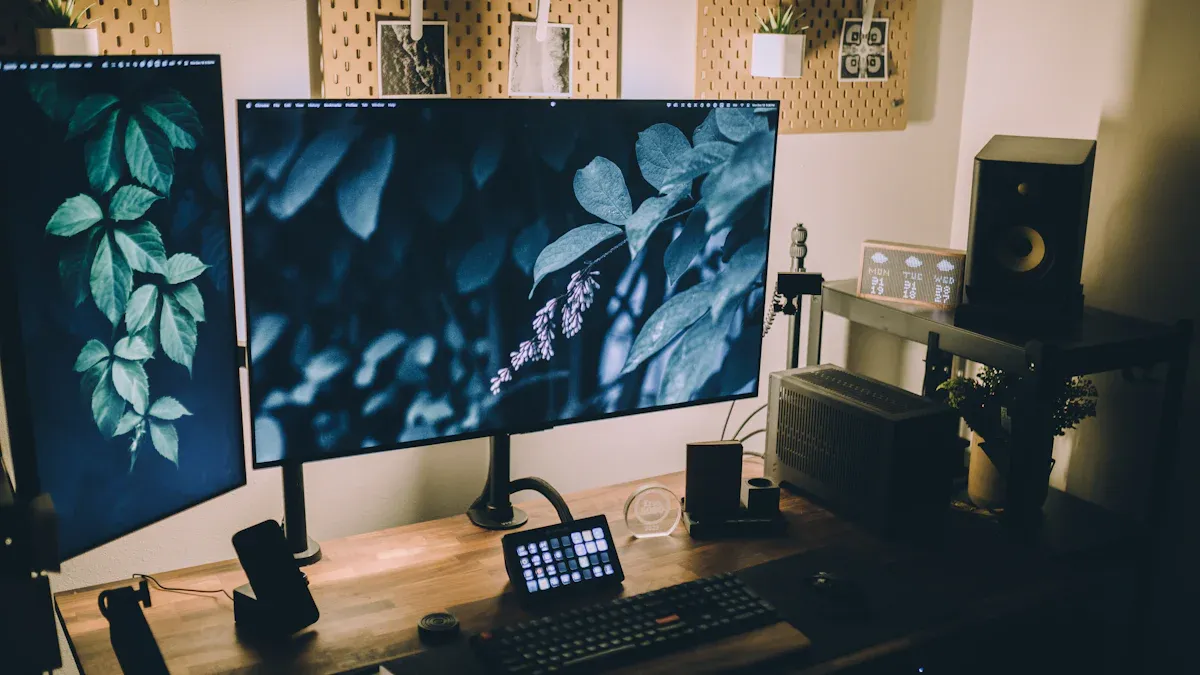
Your workspace should help you focus and feel good. Pick a quiet place in your home with sunlight. Try to put your desk by a window, but keep the sun off your screen. Use a chair that supports your back. Some people like to stand and sit during work. An adjustable desk or converter lets you do both. If you feel sore, try a footrest or wrist support. Studies say ergonomic setups can give you more energy. They help you focus and balance work and life. You may feel less pain and work better in a few weeks.
Tip: Test different setups and change things slowly. Ergonomic changes work best if you adjust them over time.
Essential Tech and Equipment
Having the right tools makes home business easier. Most people use a laptop or desktop. Adding a monitor can help your neck and let you do more at once. Wireless keyboards and mice keep your desk neat and help your wrists. Many people use standing desks to get more done. Standing desks can boost productivity by up to 45%. Smart posture trainers and blue light glasses help stop back pain and eye strain. More people now use smart gadgets and furniture to make work comfy and high-tech.
Here’s a quick checklist for your home office:
Adjustable desk or converter
Ergonomic chair with lumbar support
External monitor
Wireless keyboard and mouse
Noise-canceling headphones
No-Code Tools for Home Business
You do not need to be a tech expert to start a business from home. No-code tools like Momen help you make websites or apps without coding. Many home business owners use these tools to test ideas and get feedback. You can run ads or surveys to learn what people want. This helps you know if your business will work before spending more money. No-code platforms make starting a business from home easier and safer. You can spend more time growing your home-based business.
Marketing Your Home Business
Building an Online Presence
You need a strong online presence to run a successful home business in 2025. Start by creating a simple website. Use no-code tools to build it fast, even if you do not know how to code. Make sure your website shows what you offer, your story, and how people can contact you. Add clear call-to-action buttons so visitors know what to do next. Many businesses have seen big results by testing different website designs. For example, one company increased conversions by 60% just by changing their call-to-action buttons.
Social media helps you reach more people. Most businesses use Facebook, Instagram, and TikTok to share updates and connect with customers. In 2024, over 91% of businesses used social media for marketing. Video content works well, too. Almost every business now uses video to show products or share tips. You can also use pay-per-click ads to get more leads. One campaign boosted lead generation by 50% and lowered costs at the same time.
Tip: Keep your website and social pages updated. Post new photos, stories, or deals often to stay fresh in people’s minds.
Social Media and Digital Marketing
Social media lets you promote your business from home and talk to customers every day. Try posting short videos, behind-the-scenes photos, or customer stories. People now spend more time on social media than ever before. In 2024, social media ad spending hit over $220 billion. Facebook and Instagram are great for ads, but TikTok is growing fast. Many small businesses use these platforms to reach new buyers.
Personalized marketing works best. Send emails with special offers or tips just for your customers. One fitness studio grew its email list by 50% and boosted sales by 30% using targeted emails. You can also use content marketing. Write helpful blog posts or make how-to videos. This builds trust and brings people back to your site.
Finding and Keeping Clients
Getting new clients is important, but keeping them matters even more. Studies show it costs up to 25 times more to find a new customer than to keep one. If you increase your client retention by just 5%, your profits can jump by as much as 95%. Try these ideas to keep clients happy:
Send thank-you notes or small gifts after a sale.
Ask for feedback with quick surveys or social media polls.
Offer loyalty rewards or referral bonuses.
Share updates and tips by email or text.
Respond fast when clients have questions.
Note: Happy clients will tell their friends about your business from home. Word-of-mouth is one of the best ways to grow.
Overcoming Challenges When You Start a Small Business
Work-Life Balance
Running a business from home can blur the line between work and personal life. You might find yourself answering emails late at night or skipping breaks. Many people feel stress when work takes over their free time. In fact, about 65% of workers say work cuts into their personal time, and 75% of remote workers struggle to keep work and life separate. When you set clear work hours and take real breaks, you protect your energy. Flexible schedules and job autonomy help you stay happy and productive. Studies show that when you focus on work-life balance, you feel less burnout and get more done. Try to create a routine. Use a planner or set alarms to remind you when to start and stop working. Make time for family, hobbies, and rest. These habits help you build a successful home business.
Staying Motivated
Staying motivated at home can be tough. You might feel alone or lose focus without a team around you. Setting SMART goals helps you stay on track. SMART stands for Specific, Measurable, Achievable, Relevant, and Time-bound. For example, you might set a goal to gain five new clients in one month. Break big tasks into small steps. Celebrate small wins. Use stories and customer feedback to remind yourself why you started. Sharing your journey with others builds trust and keeps you inspired. You can also join online groups for support and new ideas. These steps keep your energy up and help your business grow.
Navigating Regulations
Home businesses must follow local rules. You need to check city and state laws before you start. Some places have rules about signs, parking, or noise. Others may need special permits. Make a checklist of what you need. Visit your city’s website or call the local office for help. Keep records of your permits and renew them on time. Staying compliant keeps your business safe and trusted. If you ever feel unsure, talk to a local expert or join a business group. They often share resources and tips for running a successful home business.
You can start a business from home with confidence. Follow a step-by-step guide: choose your idea, plan your path, set up legally, and launch online. Many successful entrepreneurs began in small spaces and grew by staying focused and using smart tools like Momen. Reports show that half of startups last five years, so your effort matters. Take action today—explore your passion, connect with others, and keep learning. Your home business journey starts now!
FAQ
What is the easiest home business to start in 2025?
You can start a service-based business like pet-sitting, tutoring, or content writing. These need little money and use skills you already have. You can work with local clients or online.
Do I need a business license to work from home?
Most cities require a basic business license. Some jobs need special permits. Always check your local government website. This keeps your business legal and safe.
How much money do I need to start a home business?
Many home businesses start with less than $5,000. You can begin small and grow as you earn more. Use free or low-cost tools to save money at the start.
Can I run a home business without a website?
You can, but a website helps people find you. It builds trust and shows what you offer. No-code tools make building a site easy, even if you do not know how to code.
See Also
Launching A Thriving Startup In 2025 Step By Step
Top Reasons 2025 Is Ideal For Solopreneur Beginnings
Ten Innovative SaaS Business Concepts To Start In 2025

